Bu içerik sağlık hizmetlerine ilişkin genel bilgilendirme amacı taşımaktadır. Tanı ve tedavi yalnızca hekim muayenesi sonrasında belirlenir.
DOKTORA DANIŞ Şu an onlineİçindekiler
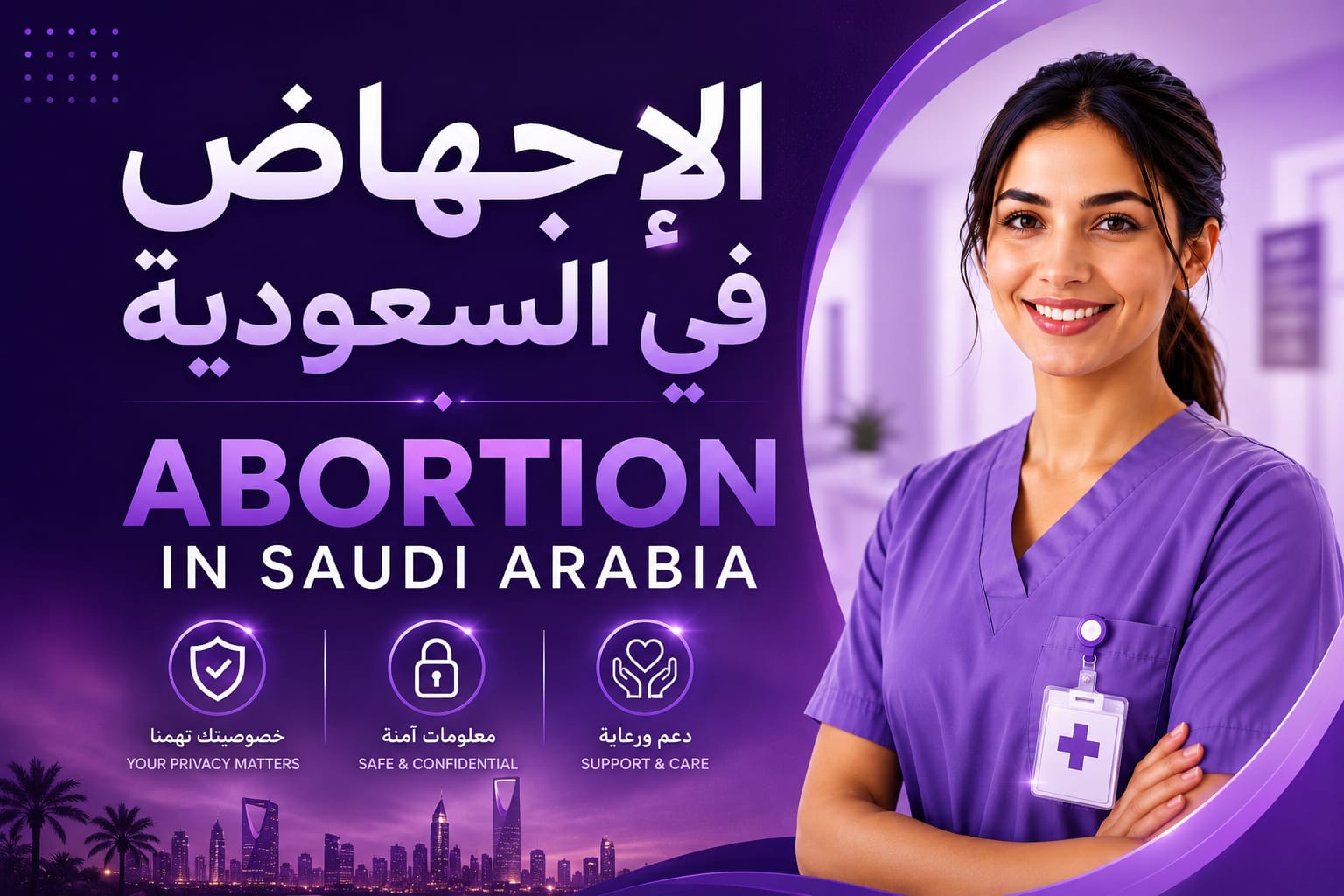
Abortion in Saudi Arabia
Understanding the Reality of Abortion in Saudi Arabia
Abortion in Saudi Arabia is one of the most sensitive and controversial medical topics in the region. Due to strict religious and legal frameworks, women seeking abortion face significant restrictions and challenges. However, understanding the abortion laws in Saudi Arabia and the available medical options is crucial for any woman prioritizing her health and safety.
In Saudi Arabia, abortion is generally prohibited unless it is necessary to save the mother’s life or prevent severe health complications. These regulations stem from Islamic law (Sharia), which places a high value on the sanctity of life. However, medical professionals acknowledge that certain exceptions are essential to protect women from life-threatening risks during pregnancy.
While abortion is not freely practiced, many women in Saudi Arabia search for safe abortion options—particularly those facing severe health risks, fetal abnormalities, or traumatic circumstances. For these cases, understanding the correct legal and medical pathways can help ensure a safe, discreet, and medically supervised process.
Abortion Laws in Saudi Arabia: What Women Need to Know
The Legal Framework
Saudi Arabia’s abortion laws are derived from Sharia principles, interpreted by religious authorities and implemented by medical institutions. According to the Ministry of Health regulations, abortion may be permitted only under specific conditions:
-
When the pregnancy poses a threat to the mother’s life.
-
When the fetus has a severe deformity or incurable condition that makes life unsustainable.
-
When continuing the pregnancy could result in serious physical or psychological harm to the mother.
These cases require approval from a medical committee and often involve a detailed medical report, consent forms, and in some cases, family acknowledgment.
Legal Penalties and Social Implications
Performing or obtaining an abortion outside of approved medical circumstances can lead to severe legal consequences, including imprisonment, fines, and professional suspension for healthcare providers. Additionally, the social stigma surrounding Saudi Arabia abortion makes it difficult for women to seek proper guidance openly.
However, the evolving landscape of women’s healthcare in the Kingdom is slowly introducing more patient-centered approaches, especially in private hospitals and international clinics that comply with Saudi regulations while ensuring patient confidentiality.
Safe Medical Abortion Alternatives and International Solutions
Seeking Safe and Legal Medical Care
For women facing complex situations, safe abortion in Saudi Arabia often means consulting certified gynecologists who understand both the medical and religious frameworks. The focus is always on preserving the mother’s health and ensuring procedures align with ethical standards.
Hospitals in major cities such as Riyadh, Jeddah, and Dammam have specialized obstetrics and gynecology departments capable of managing pregnancy complications. Women should always consult licensed professionals rather than resorting to unsafe or unapproved methods.
Cross-Border Medical Services
Because abortion laws are restrictive, some women in Saudi Arabia choose to travel abroad to access safe and legal abortion clinics. Popular destinations include Istanbul (Turkey), Dubai (UAE), and Bahrain, where modern private hospitals offer confidential, medically supervised procedures that meet international safety standards.
These clinics provide:
-
Private consultations with experienced obstetricians.
-
Safe surgical abortion under sterile conditions.
-
Confidential medical care for international patients.
-
Post-procedure follow-up and recovery guidance.
Many women researching abortion in Saudi Arabia also search for options in nearby countries due to privacy, legality, and healthcare quality differences.
Cultural and Ethical Perspectives on Abortion in Saudi Arabia
The Role of Religion and Culture
In Saudi Arabia, abortion is deeply connected to religious beliefs. Islamic scholars generally agree that abortion is not allowed after 120 days of gestation, as this is when the soul is believed to enter the fetus. Before this period, exceptions are occasionally considered for severe medical or psychological reasons, but only under strict approval.
Socially, the concept of abortion is still seen as taboo, and many women prefer to keep their situations private. This makes confidential counseling and trustworthy medical professionals essential for those navigating these complex choices.
Women’s Health and Emotional Well-being
Abortion decisions are never easy. For many women, the emotional and psychological effects are as significant as the physical ones. Therefore, hospitals and international clinics that provide safe abortion services often include psychological counseling and emotional support programs to help women process their experiences with dignity and care.
In the context of Saudi Arabia abortion laws, mental health is increasingly recognized as a valid component of medical care, particularly when stress or trauma may endanger a woman’s well-being.
The Importance of Awareness and Accurate Medical Information
Avoiding Unsafe Practices
Because of the legal restrictions, some women in the region are misled by unverified online sources or individuals offering unsafe abortion pills. These methods can be extremely dangerous and may cause severe bleeding, infection, infertility, or even death.
Medical experts strongly emphasize that no abortion should ever be attempted without clinical supervision. A safe abortion requires sterile medical conditions, professional equipment, and post-procedure monitoring to prevent complications.
Empowering Women with Knowledge
Awareness is the key to safety. Women must understand their rights, the legal framework, and the medical alternatives available to them. By staying informed, they can make better decisions about their health, privacy, and future.
Educational campaigns by healthcare organizations and women’s health advocates aim to provide accurate information about abortion laws and reproductive health in Saudi Arabia, ensuring that women are supported—not judged—through their medical journeys.
International Clinics Offering Confidential Abortion Care
For those who cannot access abortion in Saudi Arabia due to legal restrictions, nearby countries like Turkey, UAE, and Jordan have developed medical systems that cater to women’s reproductive health in a respectful and confidential manner.
These clinics offer:
-
Legal and ethical abortion services.
-
Multilingual medical teams for international patients.
-
Safe and private hospital environments.
-
Assistance with travel, accommodation, and aftercare.
Women traveling from Saudi Arabia often seek trusted abortion clinics abroad where they can receive comprehensive care without fear of social or legal repercussions.
Conclusion: Prioritizing Safety, Health, and Dignity
The conversation around abortion in Saudi Arabia is complex, combining religious, legal, and ethical elements. While the law remains restrictive, awareness and understanding can empower women to make safe, informed choices about their bodies.
Every woman deserves access to accurate medical advice, confidential support, and safe healthcare services—whether within the Kingdom or abroad. As global awareness of women’s rights continues to grow, so too does the hope for more compassionate healthcare policies that respect both faith and freedom.
In the end, the goal is simple: ensuring that every woman, regardless of circumstance, has the right to protect her health, dignity, and life through safe and professional medical care.
Hangi Genital Estetik Tedavisi Size Uygun?
Merak ettiğiniz başlığa tıklayarak ilgili tedavi sayfasına geçebilir, işlem süreci hakkında detaylı bilgi alabilirsiniz.